What is full spectrum CBD? It is a hemp extract that keeps the plant's natural mix of compounds, including other cannabinoids, terpenes and a small amount of THC. Broad spectrum CBD keeps many of those compounds but has the THC removed. CBD isolate is CBD on its own, with everything else filtered out. The biggest practical difference is THC: full spectrum has a trace, broad spectrum aims for none, and isolate has none by design.
Below we explain what full spectrum CBD means, how the three types compare, how much THC is really in full spectrum CBD, and what the 2026 changes to federal hemp law mean for all of it.
What is full spectrum CBD?
Hemp contains more than CBD. It also makes dozens of other cannabinoids in small amounts, such as CBG, CBN and CBC, plus aromatic compounds called terpenes that give each plant its smell, and a small amount of THC.
When a producer extracts hemp and keeps that whole range of compounds, the result is called full spectrum. What does full spectrum CBD mean on a label, then? It tells you the extract was not stripped down to CBD alone, and that it contains THC within the legal hemp limit. Under the 2018 Farm Bill, hemp-derived products may contain no more than 0.3% delta-9 THC on a dry-weight basis.
Full spectrum extracts usually taste and smell more like the plant: earthy, grassy, sometimes a little bitter. That is why many full spectrum oils come in flavors like peppermint or orange.
What is broad spectrum CBD?
Broad spectrum starts the same way as full spectrum, then goes through an extra step to remove THC. The goal is to keep CBD plus some of the other cannabinoids and terpenes while taking the THC out.
Two things are worth knowing. First, the processing that removes THC can also remove some of the other compounds, so no two broad spectrum products are quite the same. Second, "THC-free" on a broad spectrum label usually means THC was "non-detect" on a lab test. That means it was below the lowest level that lab's equipment can measure, not necessarily zero. A certificate of analysis shows the lab's detection limit if you want to check.
What is CBD isolate?
CBD isolate is CBD by itself. Producers refine the extract until almost everything except CBD is gone, which typically leaves a white powder or crystals. That powder is then mixed into oils, gummies or creams.
Isolate products have very little taste or smell and contain no other cannabinoids or terpenes by design. People often choose isolate when they want to avoid THC as completely as possible or simply want CBD and nothing else.
Full spectrum vs broad spectrum vs isolate at a glance
| Feature | Full spectrum | Broad spectrum | Isolate |
|---|---|---|---|
| What's in it | CBD, other cannabinoids, terpenes and trace THC | CBD and some other cannabinoids and terpenes, THC removed | CBD only |
| THC | Trace, within the hemp limit | Removed, usually to non-detect | None by design |
| Drug test risk | Can show up | Lower, but not zero | Lowest, but no product is guaranteed |
| Taste and smell | Earthy, plant-like | Milder | Nearly neutral |
| Common forms | Oils, capsules, gummies, creams, flower | Oils, capsules, gummies | Oils, gummies, creams, powder |
| Often chosen by | People who want the whole-plant extract and are fine with trace THC | People who want more than CBD but want to avoid THC | People who want CBD and nothing else |
Between full and broad spectrum, the difference is THC. Between full spectrum and isolate, it is everything else in the bottle.
Does full spectrum CBD have THC? How much?
Yes. By definition, full spectrum CBD contains THC. The amount is small, but small is not zero, and it adds up across a bottle.
Here is how to estimate it. Labs report THC in a finished oil as a percentage of its weight. A 30 ml bottle of oil weighs roughly 28 grams. Suppose a lab report shows 0.1% THC (an example number, not a measurement of any of our products). Then:
- 0.1% of 28 grams is about 28 mg of THC in the whole bottle.
- That works out to a little under 1 mg of THC per 1 ml dropper.
- At the current legal ceiling of 0.3%, the same bottle could hold up to about 84 mg.
So how much THC is in full spectrum CBD? It depends on the batch, which is why the lab report matters. Check the THC line on the product's certificate of analysis, then multiply by the amount you take.
Does full spectrum CBD get you high? THC is the intoxicating compound in cannabis. The amount in a typical serving of a full spectrum oil is small, but people differ in sensitivity, and larger servings deliver more THC. We won't promise you won't feel anything. What we can say clearly: full spectrum products can cause a positive drug test. If you are tested for work, read our guide on whether CBD shows up on a drug test before buying.
What about the entourage effect?
You will often see full spectrum products linked to the entourage effect. That is the idea that the compounds in cannabis may act differently together than they do alone. It is a popular idea and an active research topic, but studies in people are limited and the question is not settled.
We think the honest way to choose is on what you can verify: what is in the bottle, how much THC it contains, how it tastes, and whether it fits your situation. Talk to your doctor about whether any CBD product is right for you.
What the 2026 hemp law changes mean for full spectrum
Federal hemp rules are changing, and full spectrum products are directly affected. As of October 26, 2026, here is the timeline as it stands:
- November 12, 2026: products with cannabinoids that a cannabis plant cannot naturally produce lose their status as hemp under federal law. Some readings also put converted cannabinoids such as Delta-8 THC on this date.
- December 11, 2026: the federal definition switches to a total-THC standard that counts THCA, cannabinoids made by conversion outside the plant (such as most Delta-8) are excluded, and final hemp products are capped at 0.4 mg total THC per container.
- In California: AB 8 has barred general retail sale of inhalable hemp products containing THC, such as hemp flower and vapes, since January 1, 2026.
Run the math from the section above and the impact is clear. A full spectrum oil with even 0.1% THC holds about 28 mg of THC per 30 ml bottle, far above a 0.4 mg per container cap. Products made the traditional full spectrum way are unlikely to fit the new federal definition, and we expect much of the industry to move toward broad spectrum and isolate formulas.
This is general information, not legal advice, and the rules may still shift. Our 2026 hemp law guide covers the details. Tahoe CBD will update its catalog to comply with the new rules.
How to choose the right type for you
- Are you drug tested? Avoid full spectrum. Even broad spectrum and isolate carry some risk, so check the lab report and ask your employer's policy.
- Do you want the whole-plant extract? Full spectrum keeps it, within the limits of the law in your state.
- Do you prefer no taste? Isolate is the most neutral.
- Do you take medication, or are you pregnant or nursing? Talk to your doctor first, whatever the type.
- Can you see a lab report? Whatever you choose, look for a current third-party report that lists CBD and THC.
How Tahoe CBD fits in
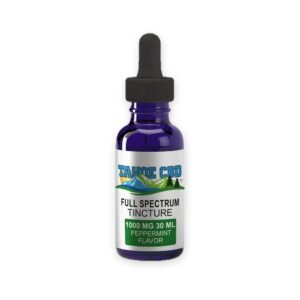
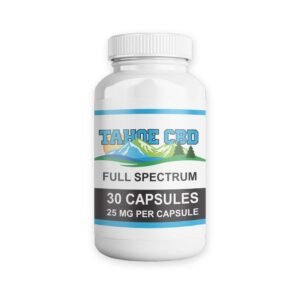
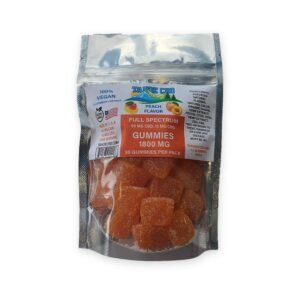
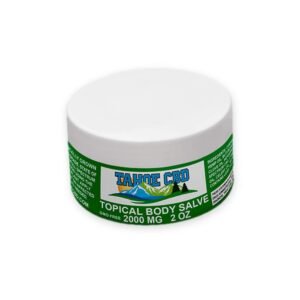
Since 2015, Tahoe CBD has focused on full spectrum CBD. Our own Full Spectrum CBD Oil (1000, 2000 or 3000 mg per 30 ml), Full Spectrum CBD Capsules, Full Spectrum CBD Gummies (50 mg CBD plus 10 mg CBG each) and 2000 mg CBD cream are all labeled full spectrum, which means they contain trace THC.
Because of the December 11, 2026 changes, expect our lineup to change. Third-party lab reports are posted on our Lab Reports page when available. Ask us about any product and we will send the most recent report we have for it, or tell you plainly that it is not available yet. Questions about THC content? Email service@tahoecbd.com or call (888) 689-1500 and we will give you a straight answer.