CBD, CBN and CBG are three different cannabinoids from the hemp plant, and the easiest way to tell them apart is where each one comes from. CBG is the "parent" compound the plant makes first, CBD is the main cannabinoid in most hemp, and CBN forms as THC ages. If you are comparing CBG vs CBN, think of them as opposite ends of a cannabinoid's life: one at the start, one at the end.
None of the three is known for producing a THC-style high, and research on CBN and CBG in people is much earlier than research on CBD. This guide compares all three, adds CBC (a fourth minor cannabinoid people often ask about), and shows which Tahoe CBD products contain which.
CBD vs CBN vs CBG vs CBC at a glance
| Cannabinoid | How it forms | Amount in typical hemp | Intoxicating? | At Tahoe CBD |
|---|---|---|---|---|
| CBD (cannabidiol) | From CBDA, which the plant makes out of CBGA | The main cannabinoid | No | Tinctures, capsules, gummies, cream, pet products |
| CBG (cannabigerol) | From leftover CBGA, the first cannabinoid acid the plant makes | Small, often around 1% or less | No | CBG tinctures, CBD and CBG gummies |
| CBN (cannabinol) | Forms as THC breaks down with age, heat and light | Trace amounts in fresh plants | Not considered intoxicating; far weaker than THC | Sleep Gummies and CBN tinctures |
| CBC (cannabichromene) | From CBCA, which the plant makes out of CBGA | Small | No | Not sold on its own |
A quick word on the word "intoxicating." California's Department of Cannabis Control groups CBN with CBD as non-intoxicating compounds. That is a regulatory label, not a promise about how any product will feel, and full spectrum products that contain these cannabinoids also contain trace THC.
How the four are related
All four trace back to one starting compound, CBGA (cannabigerolic acid). The hemp plant converts CBGA into other cannabinoid acids, and heat or time turns those acids into the forms you see on labels:
- CBGA to CBDA to CBD. This is the main path in hemp, which is bred to make mostly CBD.
- CBGA to THCA to THC to CBN. THCA becomes THC when heated, and THC slowly breaks down into CBN as it is exposed to oxygen, heat and light.
- CBGA to CBCA to CBC. A smaller side path.
- CBGA to CBG. Whatever CBGA the plant never converts becomes CBG.
That family tree explains a lot. CBG is scarce in mature plants because most of it has been used up. CBN is scarce in fresh plants because it only builds up as THC ages.
What is CBD vs CBN?
CBD (cannabidiol) is the best-known hemp cannabinoid and by far the most studied. It is the main ingredient in most hemp extracts, including our full spectrum tinctures, capsules and gummies.
CBN (cannabinol) is a different story. Fresh hemp has very little of it. CBN forms when THC is exposed to oxygen, heat and light over time, which is why aged cannabis tends to contain more. The CBN in products may be extracted from plant material or made by converting other cannabinoids, and how it is made is starting to matter under the new federal hemp rules (more on that below).
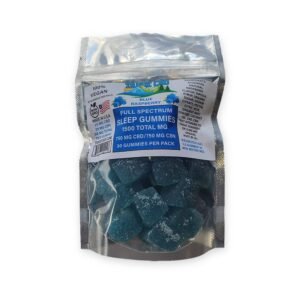
CBN often shows up in products made for nighttime. Our Sleep Gummies pair 25 mg of CBD with 25 mg of CBN in each gummy, and many customers use them in the evening. To be clear: research on CBN in people is limited, and we do not claim that CBN, or any product we sell, improves or causes sleep. If you have questions about your sleep, talk to your doctor. Our guide to what CBN is covers it in more detail.
CBG vs CBN: the key differences
CBG and CBN have less in common than their names suggest:
- Origin. CBG comes first in the plant's chemistry. CBN comes last, as a breakdown product of THC.
- Where it comes from in products. CBG is usually extracted from hemp varieties bred to hold more of it. CBN may be extracted from plant material or made by converting other cannabinoids.
- How it is positioned. CBG is sold in everyday tinctures and gummies. CBN is mostly sold in products made for nighttime use.
- Research. Both are early. Most studies are lab or animal work, with only small human studies so far.
Since neither has strong human evidence behind it, choosing between them usually comes down to format, composition and personal preference rather than promised effects. Our guide to what CBG is goes deeper on cannabigerol.
CBC vs CBG
CBC (cannabichromene) and CBG are close relatives, since the plant makes CBC's acid form out of CBGA. Both are non-intoxicating, both are usually present in small amounts, and both have been studied mostly in labs so far.
The practical difference for shoppers is availability. CBG is widely sold in tinctures and gummies. CBC is rarely sold on its own, and you are more likely to see it listed as a minor cannabinoid on a full spectrum product's lab report. Tahoe CBD does not currently sell a CBC product. If you want to know whether a full spectrum product contains CBC, the lab report for that batch is where to look.
Do CBD, CBN or CBG show up on drug tests?
Standard drug tests look for a breakdown product of THC, not for CBD, CBN or CBG. The risk comes from THC itself. Full spectrum products keep the hemp plant's trace THC, and several of our CBG and CBN products are made with full spectrum CBD. With regular use, that trace THC can add up to a positive result. If you are drug tested, read our guide on whether CBD shows up on a drug test before buying any of these products.
Legal status and the 2026 hemp rules
Hemp-derived CBD, CBG and CBN products are sold today under the 2018 Farm Bill, which defines hemp as having no more than 0.3% delta-9 THC on a dry-weight basis. The federal definition is changing, and as of October 26, 2026 the changes come in two steps:
- November 12, 2026: products containing cannabinoids a cannabis plant cannot naturally produce lose hemp status. CBD, CBG, CBN and CBC can all be made naturally by the plant, but converted cannabinoids, which would include CBN made by converting other cannabinoids, are expected to lose hemp status as early as this date and no later than December 11, 2026.
- December 11, 2026: hemp moves to a total THC standard that counts THCA, finished products are capped at 0.4 mg of total THC per container, and naturally occurring cannabinoids that were synthesized or manufactured outside the plant are excluded, according to the Congressional Research Service.
Two things follow for shoppers. Full spectrum blends will need to meet the 0.4 mg per container cap. And because some CBN on the market is made by converting other cannabinoids, how a CBN product is made will matter. Tahoe CBD will update its catalog to comply. Our 2026 hemp ban guide has the full timeline. This is general information, not legal advice.
Tahoe CBD products by cannabinoid
If you are comparing by composition, this table shows what each product contains per serving unit, based on the product listings. Check the label and lab report for the batch you buy.
| Product | Per serving unit | Size and totals |
|---|---|---|
| Full Spectrum CBD Oil Tincture | About 33, 67 or 100 mg CBD per 1 ml | 1,000, 2,000 or 3,000 mg CBD per 30 ml |
| Full Spectrum CBD Capsules | 10, 25 or 50 mg CBD per capsule | 30, 60 or 90 count |
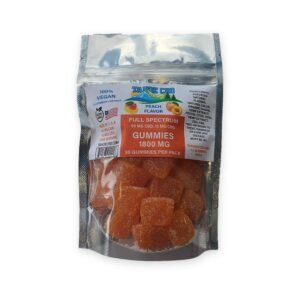
| Full Spectrum CBD Gummies | 50 mg CBD and 10 mg CBG per gummy | 15 count (900 mg) or 30 count (1,800 mg) |
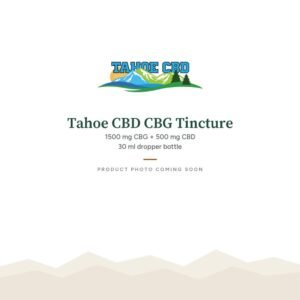
| Tahoe CBD CBG Tincture | About 50 mg CBG and 16.7 mg CBD per 1 ml | 1,500 mg CBG and 500 mg CBD per 30 ml |
| Sleep Gummies | 25 mg CBD and 25 mg CBN per gummy | 15 count (750 mg) or 30 count (1,500 mg) |
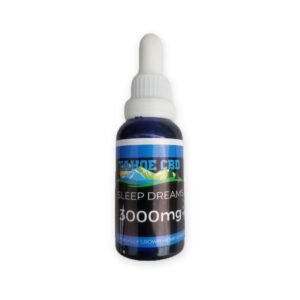
| Sleep Dreams CBN Tincture | About 50 mg CBN and 50 mg CBD per 1 ml | 1,500 mg CBN and 1,500 mg CBD per 30 ml |
Whatever you choose, start with the smallest serving on the label and change slowly, if at all. Talk to your doctor first, especially if you take medication or are pregnant or nursing. The FDA has warned that CBD can interact with other medications, and less is known about CBN and CBG.
How Tahoe CBD fits in
We keep the lineup simple, and we sort it by cannabinoid so you can find what you are looking for. CBD tinctures, capsules and gummies make up most of the shop. Our CBG products pair cannabigerol with CBD, and our CBN and sleep products pair cannabinol with CBD in gummies and tinctures made for nighttime use.
Third-party lab reports are posted on our Lab Reports page when available. Ask us about any product and we will send the most recent report we have for it, or tell you plainly that it is not available yet. Stop by the shop in South Lake Tahoe (open Tuesday to Sunday; phone (530) 544-6666), or order online with free standard shipping to eligible US addresses.