Hemp seed oil is pressed from the seeds of the hemp plant and contains little or no CBD, while CBD oil is an extract from the plant's flowers and leaves, mixed into a carrier oil, with a measured amount of cannabidiol. The confusion comes from labels. Some products use "hemp oil" to mean seed oil, and others use it to mean a CBD extract, so the milligrams of CBD on the label are what tell them apart.
This guide compares the two side by side, decodes common label terms, explains how to check what you are buying, and covers hemp oil vs CBD oil for dogs. It is general information, not medical or veterinary advice.
Hemp oil vs CBD oil at a glance
| Hemp seed oil | CBD oil (cannabidiol oil) | |
|---|---|---|
| Part of the plant | Seeds | Flowers and leaves |
| How it is made | Seeds are pressed, much like other cooking oils | Cannabinoids are extracted, often with CO2 or ethanol, then mixed into a carrier oil |
| CBD content | Little or none | A stated amount, such as 1,000 mg per bottle |
| THC | Little or none | Full spectrum keeps trace THC; broad spectrum and isolate are made to remove it |
| Common uses | Salad dressings, smoothies, skin care products | Measured servings by dropper, capsules, gummies |
| What the label shows | Fat and calorie content, no cannabinoid milligrams | Milligrams of CBD per bottle and per serving |
| FDA position | The FDA says hemp seed oil can be marketed in human food | Not FDA approved; the FDA has said its food and supplement rules are not a fit for CBD |
Is hemp oil the same as cannabidiol?
No. Cannabidiol (CBD) is a single compound, one of the cannabinoids the hemp plant makes in its flowers and leaves. Hemp seed oil is a food oil made from the seeds, which do not produce meaningful amounts of cannabinoids. Any trace that shows up in seed oil usually comes from contact with other parts of the plant during harvest.
In other words, one is a plant compound and the other is a kitchen oil. Both come from the same species, Cannabis sativa L., but from different parts of it, made in different ways and sold for different reasons.
Where it gets tricky is that "hemp oil" is not a regulated term on its own. Some sellers use it for seed oil, some for a CBD extract, and some for both in one product. You cannot tell from those two words alone.
Label names, decoded
Here is what common terms on hemp product labels usually mean. When in doubt, look for the milligrams of CBD.
| On the label | What it usually means |
|---|---|
| Hemp seed oil, or Cannabis sativa seed oil | Oil pressed from seeds. Little or no CBD. |
| Hemp oil | Could be seed oil or a CBD extract. Check for CBD milligrams. |
| Hemp extract, full spectrum hemp extract | Usually an extract from flowers and leaves that contains CBD and other cannabinoids. |
| PCR hemp oil (phytocannabinoid-rich) | An extract that contains cannabinoids, usually CBD. |
| Cannabidiol, or CBD | The compound itself, with an amount listed in milligrams. |
| MCT oil | A carrier oil, usually from coconut or palm kernel oil, used to dilute and measure CBD extract. |
What hemp seed oil is
Hemp seed oil is made by pressing hemp seeds, much like flaxseed or sunflower oil. It is usually green to golden in color with a nutty taste. Because it is delicate and does not handle high heat well, people tend to use it raw, in dressings or drizzled over food, rather than for frying. It also appears in lotions, soaps and other skin care products.
As an ingredient, hemp seed oil is known for its fatty acid content, including omega-6 and omega-3 fatty acids. In December 2018, the FDA said hulled hemp seed, hemp seed protein powder and hemp seed oil can be legally marketed in human foods. It is not intoxicating, it is not a CBD product, and it is not something you would measure by the dropper.
Tahoe CBD does not sell hemp seed oil. We mention it because it is the most common thing people are actually buying when a label says "hemp oil" without any CBD milligrams.
What CBD oil is
CBD oil starts with the flowers and leaves of hemp, where cannabinoids are made. Processors extract those compounds, often with CO2 or ethanol, and then dilute the extract in a carrier oil so it can be measured in milliliters. The result is sometimes called a tincture.
CBD oils come in three main styles. Full spectrum keeps the plant's other cannabinoids and trace THC. Broad spectrum is processed to remove THC. Isolate is CBD on its own. Our guide to full spectrum vs broad spectrum vs isolate explains the trade-offs.
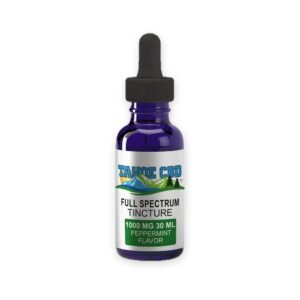
Our Tahoe CBD Full Spectrum CBD Oil Tincture is a typical example of how a CBD oil label reads:
- 1,000, 2,000 or 3,000 mg of CBD per 30 ml bottle ($58.00, $73.00 or $85.00)
- About 33, 67 or 100 mg of CBD per 1 ml dropper
- MCT oil carrier, in Natural, Peppermint or Orange
- Full spectrum, which means trace THC
Because full spectrum products keep trace THC, they can add up to a positive result with daily use. If you are drug tested, read our guide on whether CBD shows up on a drug test before buying.
How to tell what you are buying
A quick checklist works for any hemp or CBD oil, whether you shop online or in a store:
- Find the CBD milligrams. A CBD oil lists the total CBD per bottle and per serving. If there is no CBD number, assume it is seed oil.
- Watch for big numbers without the word CBD. A large milligram figure next to "hemp oil" may describe the amount of oil or extract, not the amount of CBD.
- Read the ingredients. "Cannabis sativa seed oil" as the main ingredient means seed oil. "Hemp extract" or "cannabidiol" points to CBD.
- Check the spectrum. This tells you whether to expect trace THC.
- Ask for the lab report. A current report from an independent lab shows the actual cannabinoids in a batch. Our glossary explains how to read a certificate of analysis.
If you still are not sure, ask the seller directly how many milligrams of CBD are in a serving. A reputable shop can answer that in one sentence.
Hemp oil vs CBD oil for dogs
The same difference applies to pet products. A "hemp oil for dogs" with no CBD milligrams on the label is most likely hemp seed oil. A CBD oil for dogs lists the CBD per bottle and per milliliter, so you can work out how much is in each drop.
Before giving your dog either one, talk to your veterinarian. Your vet knows your dog's health, weight and medications, and can tell you whether a product makes sense at all. A few points to raise with them:
- Strength. Pet CBD oils are often less concentrated than human oils, which makes small amounts easier to measure.
- THC. Full spectrum pet products carry trace THC. Ask your vet whether that matters for your pet.
- Flavors and sweeteners. Do not share human products with pets. Some human foods and flavored products contain ingredients, such as xylitol, that are dangerous to dogs.
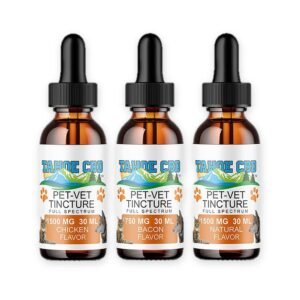
Our Pet Vet CBD Oil comes in 750 mg and 1,500 mg strengths per 30 ml bottle, which works out to about 25 mg or 50 mg of CBD per ml. It is full spectrum and comes in Natural, Chicken or Bacon flavor (Bacon in the 1,500 mg size). "Pet Vet" is a product line name and does not mean a veterinarian has approved the product. You will find it on our pet CBD page, and our guide to CBD dosage for dogs walks through the label math to discuss with your vet.
How Tahoe CBD fits in
Every tincture we carry is sold by its cannabinoid content in milligrams, so you never have to guess whether it is seed oil. Since 2015, our focus has been full spectrum CBD, and we are upfront that full spectrum means trace THC.
Third-party lab reports are posted on our Lab Reports page when available. Ask us about any product and we will send the most recent report we have for it, or tell you plainly that it is not available yet. Order online with free standard shipping to eligible US addresses, or pick up at our South Lake Tahoe shop with a 21+ photo ID. Questions? Call (530) 544-6666 or email service@tahoecbd.com.